How the health and wellness industry is boosting their brands with PR
Australians are well known for our early-morning, gym-shark clad pilates princesses, or our ripped Superhero celebrities, with a reputation for long beach runs, camping weekends and bush treks, but wellness has moved well beyond a weekend habit or a celebrity-level of attainment. It is now a serious economic force, a cultural identity and, increasingly, the engine driving some of the country’s most visible brand campaigns.
Local estimates put Australia’s wellness economy at around 126.7bn in 2023, making it the tenth largest in the world, with growth of 10.9% in a single year. At an individual level, new iSelect research suggests Australians spend an estimated 6.90bn in 2026, with more than a third of it generated online and demand for natural and organic products driven by a preference for sustainable, eco-friendly options.
CommBank economist Harry Ottley notes young Australians are shifting their spending towards a more health-conscious focus as Australians take a hands-on approach to their health. 82% use healthcare apps or wearables to track sleep, exercise and nutrition, and 63% consult an AI tool before speaking to a healthcare professional. Smart watches draw around 23,000 searches a month, while smart rings, though still emerging, have seen interest jump 509% in five years.
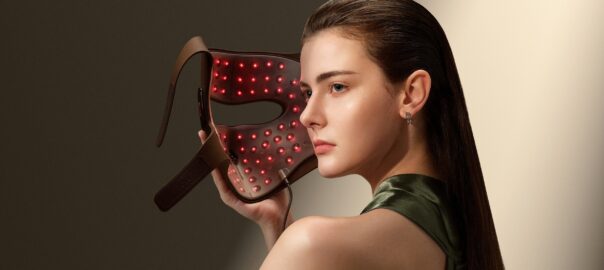
Meanwhile, Australians are looking for more ways to optimize wellness and relaxation outside of the house. Bathhouse searches are up 426%, ice baths 271% and home saunas 190%. Four Australian bathhouses made the SAUNA37 2026 global ranking. This reflects an obsession with wellness, optimisation and prolonging youth. Brands, such as SharkNinja, have capitalised on this anxiety, using insane volumes of creator campaigns and celebrity ambassadors, emphasising the importance of clear and age-proof skin to drive interest in LED face masks. This has been successful, with sales have climbed 900% over five years, and searches for professional facials are up 28%.
Unless you’ve been living under a rock, you have probably noticed that running is cool again, and event organisers say participation is at record levels. Sydney Marathon boss Wayne Larden links part of the boom to people who took up running during COVID and kept going because of what it did for their mental health. Nike has built on this with its After Dark Tour, a women-focused race series. On 27 September 2026, more than 7000 runners took part in the Sydney edition along the harbour, supported by a limited collection in hot pink, black and bright green. It is a campaign that sells products but is really about belonging, and encouraging people to feel safe when they exercise together.
The growth in health anxieties are clear. One in two Australians worry about sleep quality, and stress, fatigue or low energy is the biggest barrier to good health for nearly two in three. Swisse builds upon this feeling of not doing enough with their ‘Hysteria’ campaign. Drawing on a 30-year history in women’s health, a growing range of hormonal health supplements and the statistic that just 3% of Australian health research goes to women’s health, it speaks to key hormonal life stages.
Australian brands need to be aware of the wellness expectations in their audience, and keep in mind that habits within subcultures do not match the overwhelming shift towards sobriety and wellness in the mass market. An Australian beauty company that promotes ‘clean’ ingredients and products ‘free from skin irritants’ was referred to state health regulators after photos from a Bondi lip gloss launch appeared to show loose cigarettes, without health warnings, displayed alongside the products and branded matchboxes.
A health spokesperson said there is no appropriate place for tobacco products as a promotional prop, and that Australia strengthened its tobacco laws to reduce their visibility and normalisation. University of Sydney tobacco control professor Becky Freeman said it was shocking to see smoking’s resurgence in pop culture, and that a local example shows it is not just an international phenomenon.
For a brand built on health credentials, the gap between message and imagery is the real damage.
- Lead with what audiences already cares abut and their biggest concerns.
- Build belonging, not just buzz, and use wellness as a space to come together.
- Back claims with credible data and authentic ambassadors.
- Make sure every touchpoint matches the promise and audience expectations.
- Think integrated channels.
Australia’s appetite for wellness is not a passing trend. The brands that win will be the ones that treat health as a genuine commitment rather than an aesthetic.
By Ruby Harris | PR Coordinator @ InsideOut PR